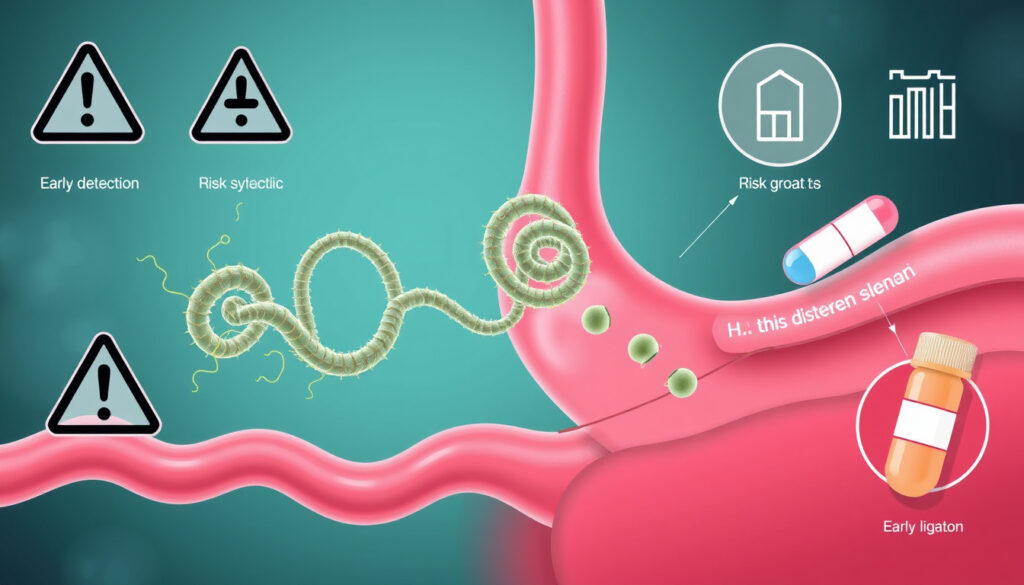
H. Pylori Cancer Symptoms – Early Signs, Risks and Treatment
H. pylori, a spiral-shaped bacterium that colonizes the stomach lining, represents one of the most common bacterial infections worldwide. While many infected individuals never experience symptoms, this pathogen has been definitively linked to serious digestive conditions, including peptic ulcers, gastritis, and in certain cases, stomach cancer. Understanding the connection between H. pylori and cancer risk, recognizing warning signs, and knowing available diagnostic and treatment options form essential knowledge for anyone concerned about their digestive health.
Classified as a Group 1 carcinogen by the World Health Organization, H. pylori infection significantly elevates the risk of developing gastric malignancies. Research indicates that individuals harboring this bacterium face approximately six to eight times greater likelihood of certain stomach cancers compared to uninfected persons. Despite this elevated risk, fewer than three percent of those with H. pylori infection actually develop stomach cancer, highlighting that infection alone does not determine cancer outcomes. Early detection, appropriate monitoring, and timely intervention remain critical factors in managing health outcomes for those affected.
H. Pylori Cancer Symptoms (NHS and Common Signs)
Recognizing symptoms that may indicate H. pylori-related cancer progression presents a significant clinical challenge. The early manifestations of H. pylori infection often overlap with common digestive complaints, making differentiation difficult without specific testing. Healthcare providers across NHS trusts and international medical institutions emphasize that symptoms alone cannot confirm either H. pylori infection or cancer development, underscoring the importance of professional medical evaluation for anyone experiencing persistent digestive symptoms.
Overview: What the Research Shows
Carcinogenic Connection
Chronic H. pylori infection triggers sustained stomach inflammation that can, over time, damage cellular DNA and predispose tissues to malignant transformation.
Early Warning Signs
Abdominal pain, burning sensations, bloating, and nausea frequently accompany H. pylori infection, though these symptoms often mirror ordinary indigestion or ulcer disease.
Advanced Disease Indicators
Unexplained weight loss, persistent vomiting, blood in stool or vomit, and difficulty swallowing may signal disease progression requiring urgent medical attention.
Risk Reduction Potential
Eradication therapy successfully eliminates H. pylori in approximately 80 to 90 percent of cases, potentially preventing further damage and halting cancer progression when administered early.
Key Insights on Symptoms and Risk
- H. pylori is classified as a Group 1 carcinogen, representing the primary identified cause of gastric cancer in medical literature.
- Most people with H. pylori infection remain asymptomatic for years, often unaware of their infection until complications develop.
- Nearly 90 percent of stomach cancer cases demonstrate association with H. pylori infection, according to epidemiologic research.
- Symptoms such as stomach pain that worsens on an empty stomach and unexplained weight loss warrant medical evaluation.
- Diarrhea and other digestive disturbances can accompany H. pylori infection, though these symptoms are less commonly emphasized in clinical settings.
- Children experience symptomatic H. pylori infection in only 5 to 10 percent of cases, making early detection challenging.
- Eradication treatment before cancer development offers the most effective risk reduction strategy currently available.
Snapshot Facts: H. pylori and Cancer
| Fact | Details |
|---|---|
| Carcinogen Classification | WHO Group 1 carcinogen |
| Primary Cancer Type | Gastric adenocarcinoma |
| Risk Multiplier | 6 to 8 times higher risk compared to uninfected individuals |
| Actual Cancer Development | Fewer than 3% of infected individuals |
| Cancer Association Rate | Approximately 90% of stomach cancer cases linked to H. pylori |
| Eradication Success Rate | Antibiotic therapy 80-90% effective |
| MALT Lymphoma Risk | Less than 1% of infected individuals develop this rare cancer |
| Global Prevalence | Over half of all people infected at some point, usually in childhood |
Is H. Pylori Cancer Curable? Survival Rates
The question of curability depends significantly on when H. pylori infection is detected and whether cancerous changes have already occurred. Eradicating the bacterium before malignant transformation offers substantial protective benefits, while treating established cancer requires different approaches that address the malignancy itself. Medical professionals emphasize that H. pylori eradication represents one of the most effective preventive measures available against gastric cancer, though it cannot reverse cancer that has already developed.
Understanding Eradication Success
Antibiotic-based eradication therapy demonstrates success rates between 80 and 90 percent when administered appropriately. The treatment typically combines multiple antibiotics with acid-suppressing medications taken over seven to fourteen days. Following successful eradication, individuals experience reduced inflammation and a substantially lower risk of ulcer recurrence and cancer development. Repeat testing after treatment confirms whether the infection has been eliminated, ensuring the therapeutic goals have been achieved.
Gastric Cancer Prognosis Considerations
When H. pylori infection leads to gastric cancer development, survival outcomes depend heavily on staging at diagnosis. Early-stage gastric adenocarcinoma confined to the stomach lining offers considerably better prognosis than advanced disease with regional or distant spread. Surgical resection, chemotherapy, and radiation therapy represent standard treatment approaches for established cancer, with outcomes varying substantially based on individual circumstances and tumor characteristics.
The strongest evidence connecting H. pylori to gastric malignancies comes from studies demonstrating tumor regression following bacterial eradication in MALT lymphoma cases. This finding suggests that eliminating the infection can produce therapeutic benefits even after precancerous changes have occurred, though cancer prevention through early eradication remains preferable.
How Long Does It Take for H. Pylori to Cause Cancer?
The timeline from H. pylori infection to cancer development varies considerably among individuals, making precise predictions impossible. Researchers understand the general progression pattern, yet individual factors including bacterial strain variations, genetic susceptibility, dietary influences, and environmental exposures all contribute to the rate of disease advancement. This variability explains why some infected individuals develop cancer within decades while others remain unaffected throughout their lives.
Disease Progression Timeline
The cascade from initial infection to cancer typically unfolds over many years, often spanning several decades. Understanding this gradual progression provides context for the importance of early detection and intervention.
- Initial Infection: H. pylori colonizes the stomach lining, typically acquired during childhood. Most infections remain asymptomatic at this stage.
- Chronic Gastritis Development: Persistent inflammation of the stomach lining develops over years, often without noticeable symptoms in early stages.
- Precancerous Changes: Over five to twenty years, inflammation may progress to atrophic gastritis, where the stomach lining thins and cellular changes begin.
- Malignant Transformation: Continued cellular damage and increased cell turnover over decades can eventually result in cancer development.
Long-term chronic inflammation predisposes stomach cells to become cancerous through sustained cellular damage and elevated cell turnover. The exact mechanism remains incompletely understood, though researchers continue investigating the precise pathways involved in malignant transformation.
H. Pylori Cancer Test Options
Accurate diagnosis of H. pylori infection and its potential complications requires specific testing protocols. Healthcare providers select testing approaches based on clinical presentation, available resources, and whether endoscopy is clinically indicated. Understanding these diagnostic options empowers patients to engage meaningfully with their healthcare providers regarding appropriate testing strategies.
Non-Invasive Testing Methods
Several testing approaches can detect H. pylori infection without requiring endoscopic procedures. The urea breath test identifies active infection by measuring labeled carbon dioxide in exhaled breath following consumption of a special solution. Stool antigen testing detects bacterial proteins in fecal samples, offering another non-invasive option. Blood antibody tests reveal past or present infection but cannot distinguish between active and cleared infections.
Endoscopic Diagnostic Approaches
Upper endoscopy allows direct visualization of the stomach lining while enabling tissue biopsy collection for laboratory analysis. Histologic examination of biopsy specimens confirms H. pylori presence and assesses cellular changes indicating precancerous transformation. Healthcare providers may recommend endoscopy for individuals with alarm symptoms, failed eradication therapy, or suspected complications requiring tissue evaluation.
When to Seek Testing
Healthcare providers may recommend H. pylori testing for individuals with persistent digestive symptoms, those with family history of stomach cancer, and patients with additional risk factors. Screening asymptomatic individuals without risk factors remains controversial due to potential over-treatment and antibiotic resistance concerns. Anyone experiencing alarm symptoms such as unexplained weight loss, persistent vomiting, difficulty swallowing, or gastrointestinal bleeding should seek prompt medical evaluation.
Healthcare providers may recommend testing for H. pylori antibodies, particularly for individuals with a strong family history of stomach cancer and other cancer risk factors, even if they do not have symptoms of a stomach ulcer. Professional medical assessment is essential for determining appropriate testing strategies.
How to Remove H. Pylori from Stomach (Foods and Treatments)
Effective H. pylori elimination requires antibiotic therapy prescribed by healthcare professionals. While various dietary approaches have shown promise in laboratory studies and may support overall treatment efforts, no natural food substance can reliably eradicate established H. pylori infection. Patients should understand that complementary dietary strategies work best alongside, rather than instead of, prescribed medical therapy.
Medical Eradication Therapy
Standard eradication therapy typically combines two or more antibiotics with a proton pump inhibitor medication. This combination approach increases treatment effectiveness while reducing gastric acid to create a less favorable environment for bacterial survival. Treatment regimens generally span seven to fourteen days, with follow-up testing recommended four to six weeks after completing therapy to confirm successful eradication.
Dietary Considerations and Supportive Foods
Certain foods have demonstrated antibacterial properties against H. pylori in laboratory settings. Broccoli sprouts, green tea, honey, and probiotic-rich foods such as yogurt have shown inhibitory effects in research studies. Cranberry juice may help prevent bacterial adhesion to stomach tissue. Importantly, while these foods cannot cure infection independently, incorporating them into a balanced diet may support overall treatment outcomes and digestive health.
Lifestyle and Dietary Risk Reduction
Beyond bacterial eradication, dietary modifications may help reduce cancer risk among those with current or past H. pylori infection. Limiting salt and pickled foods appears particularly beneficial, as these dietary components may accelerate precancerous changes in already inflamed stomach tissue. A diet low in fruits and vegetables has been associated with increased gastric cancer risk, emphasizing the importance of nutrient-rich food choices for long-term protection.
Beyond H. pylori infection, several factors influence stomach cancer risk. Smoking substantially increases malignancy risk, while dietary choices and history of stomach surgeries also play roles in determining individual outcomes. Comprehensive risk reduction requires addressing all modifiable factors alongside infection treatment.
What Research Tells Us: Established Facts and Open Questions
Medical science has established substantial understanding regarding H. pylori and gastric cancer while acknowledging areas requiring further investigation. This balance between confirmed knowledge and ongoing research helps frame realistic expectations for patients and healthcare providers navigating clinical decisions.
What Is Definitely Known
H. pylori infection causes approximately 90 percent of non-cardia gastric cancers according to epidemiologic data. The bacterium has been classified as a Group 1 carcinogen, representing definitive evidence of cancer-causing potential. Eradication therapy effectively prevents cancer development when administered before malignant transformation occurs. The mechanism involves chronic inflammation leading to cellular damage, increased cell turnover, and eventual precancerous changes in the stomach lining.
What Remains Under Investigation
While the general pathway from infection to cancer is understood, the precise timeline for individual patients cannot be predicted with confidence. The relative contributions of bacterial strain differences, host genetics, and environmental factors in determining cancer risk continue being elucidated. Researchers are also investigating why only a small percentage of infected individuals develop cancer despite ubiquitous exposure to this pathogen.
People with H. pylori infection are approximately 6 to 8 times more likely to develop certain types of stomach cancer compared to uninfected individuals.
— Texas Advanced Surgery
H. pylori inflames the stomach lining, causing irritation and chronic inflammation. This can progress to atrophic gastritis, which may further increase cancer risk.
Taking Action: Next Steps for Patients
Individuals concerned about H. pylori infection or potential cancer risk should take concrete steps toward appropriate medical evaluation. Understanding available testing options, recognizing symptoms requiring urgent attention, and engaging proactively with healthcare providers form the foundation of effective disease management. Early intervention offers the best outcomes for both infection eradication and cancer prevention.
Anyone experiencing persistent digestive symptoms, particularly those including unexplained weight loss, should consult with their healthcare provider to determine whether H. pylori testing is appropriate. Patients with family history of gastric cancer or other risk factors may benefit from discussion regarding screening strategies, even in the absence of current symptoms. Working collaboratively with medical professionals ensures access to current evidence-based recommendations tailored to individual circumstances.
Frequently Asked Questions
What foods kill H. pylori?
No foods reliably eliminate H. pylori infection on their own. While laboratory studies suggest broccoli sprouts, green tea, honey, and cranberry products may inhibit bacterial growth, these cannot replace prescribed antibiotic therapy. Dietary approaches should complement, not substitute for, professional medical treatment.
How does H. pylori cause stomach cancer?
H. pylori causes chronic inflammation of the stomach lining, leading to cellular damage over years or decades. This sustained inflammation increases cell turnover and the likelihood of harmful genetic mutations that can eventually result in cancer development.
Can H. pylori cancer be cured?
H. pylori infection itself is curable with antibiotic therapy in approximately 80 to 90 percent of cases. However, if cancer has already developed, treatment focuses on the malignancy through surgery, chemotherapy, or radiation, and H. pylori eradication becomes part of comprehensive cancer management rather than a cure for cancer.
What are the first signs of stomach cancer from H. pylori?
Early-stage H. pylori infection typically causes no specific symptoms. When cancer develops, warning signs may include unexplained weight loss, persistent abdominal pain, nausea, vomiting, difficulty swallowing, and blood in stool or vomit. These symptoms warrant prompt medical evaluation.
How long does it take for H. pylori to develop into cancer?
The progression from H. pylori infection to cancer typically spans decades, often developing over 20 to 30 years or longer. Individual timelines vary considerably based on genetic factors, bacterial strain, dietary habits, and other variables.
Is H. pylori always associated with stomach cancer?
No. While H. pylori is classified as a Group 1 carcinogen and approximately 90 percent of stomach cancers show association with this infection, fewer than 3 percent of infected individuals ever develop gastric cancer. Many factors influence individual risk beyond infection alone.
Does treating H. pylori reduce cancer risk?
Yes. Eradication therapy eliminates the source of chronic inflammation and can prevent further damage to the stomach lining. Research demonstrates that tumor regression can occur following bacterial eradication, particularly in MALT lymphoma cases, confirming the therapeutic benefits of treatment.
More related posts
 Irritable Bowel Syndrome Treatments – Evidence-Based Guide
 Curtis Sliwa – Guardian Angels Founder and NYC Mayoral Candidate
 8 Out of 10 Cats Does Countdown – Cast, Seasons & Episodes
 Numbing Cream for Tattoos – Best UK Options Reviewed
 Galaxy Tab A9+ – Specs, UK Prices and Buying Guide
 Guardians of the Galaxy Cast – Every Actor and Character
 What Is an Ion – Definition, Examples & Key Differences
 K-League XI vs Newcastle – 1-0 Result and Highlights
