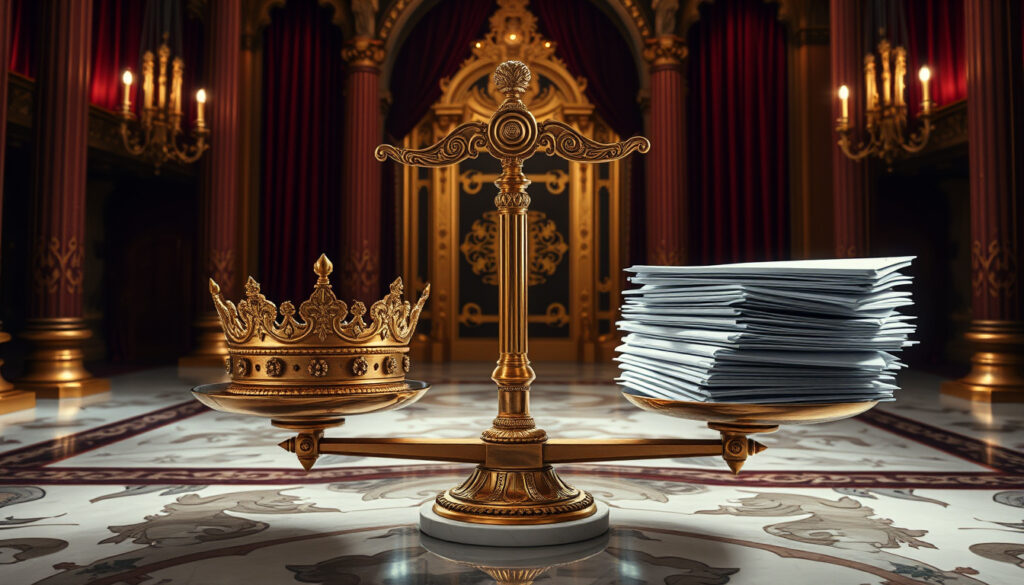
Prince William Is Changing Royal Protocol – Reforms vs Charles
Prince William is introducing significant changes to royal protocol as he prepares to assume the throne, marking a distinct departure from the approach taken by King Charles III. The Prince of Wales has begun implementing reforms that emphasize accessibility, efficiency, and a more personal connection with the public, drawing from his own experiences during recent engagements at home and abroad.
Insiders close to the royal household indicate that these modifications represent more than incremental adjustments. William appears to be charting a deliberate course toward a monarchy that resonates with contemporary sensibilities while maintaining its constitutional foundations. His strategy combines practical efficiency with a desire to present the institution in a manner that feels relevant to younger generations.
The changes span multiple aspects of royal life, from how members interact with well-wishers to the structure of major events and tours. Observers note that the Prince has shown particular interest in reducing formality where it serves no clear purpose, preferring substance over spectacle in many of his public appearances.
What Changes Is Prince William Making to Royal Protocol?
The protocol modifications introduced by Prince William fall into several distinct categories, each reflecting a specific priority for the future king. These adjustments represent a systematic approach to modernization rather than isolated decisions.
Reducing the number of active royals performing official duties to increase impact per engagement.
Trimming elaborate pageantry from state occasions while preserving essential traditions.
Replacing formal distance with direct engagement, including photography with members of the public.
Prioritizing meaningful gatherings over ceremonial obligations at royal residences.
Key Changes in Royal Engagement
The most visible transformation involves how Prince William conducts public engagements. During his solo visit to Estonia, William demonstrated a markedly different approach from traditional royal tours. He spent time with British troops, climbed into a tank, and addressed mental health stigma in direct, conversational terms.
At a school in Tallinn, the Prince of Wales met with Ukrainian refugee children, describing them as possessing a “spirit of resilience” and referring to their caregivers as “good souls.” This language represents a deliberate shift from the more formal phrasing typically employed by senior royals.
Perhaps the most discussed change involves the relaxation of the long-standing prohibition on photographs with admirers. William has explicitly abandoned the guideline established during Queen Elizabeth II’s reign, choosing instead to pose enthusiastically for selfies and interact at length with well-wishers.
- Elimination of the “no selfies” rule established during Queen Elizabeth II’s reign
- Preference for shorter, purpose-driven overseas tours rather than extended international visits
- Extended, informal conversations with members of the public during walkabouts
- Visible displays of emotion and natural interaction patterns
- Plans to reduce ceremonial roles perceived as outdated
- Emphasis on establishing Windsor Castle as a primary residence rather than rotating among estates
- Adoption of modern communication tools for household management
Protocol Differences: William and Charles Compared
| Aspect | King Charles III | Prince William |
|---|---|---|
| International Tours | Extended, traditionally structured visits | Brief, focused engagements with clear objectives |
| Public Interaction | Formal protocols maintained | Selfies encouraged, extended conversations |
| Ceremonial Dress | Full regalia for state occasions | Plans to simplify elaborate outfits |
| Traditional Protocols | Bowing and curtsying maintained | Considering elimination of mandatory gestures |
| Residence Pattern | Rotation among multiple estates | Windsor as stable home base |
| Communication Style | Traditional formal channels | Modern tools including messaging applications |
Sources familiar with William’s thinking indicate that he views certain traditions as having lost their contemporary relevance. According to reports in the British media, the Prince has privately described some ceremonial positions as “ridiculous,” including the Keeper of the Swans and the Yeoman of the Glass Pantry.
The Keeper of the Swans oversees the royal swan population on the Thames, a role dating back centuries. The Yeoman of the Glass Pantry manages the royal collection of glassware. Both positions represent ceremonial functions rather than operational necessities in the modern royal household.
Why Is Prince William Changing Royal Traditions?
The motivations behind Prince William’s protocol reforms stem from multiple considerations, including public perception research, fiscal responsibility, and a personal conviction that the monarchy must evolve to maintain its place in British society.
Addressing Changing Public Expectations
Royal commentators and analysts have observed a generational shift in public expectations regarding the royal family. Younger demographics increasingly value authenticity and accessibility over formal pageantry. William appears to have incorporated these insights into his approach to royal duties.
Speaking publicly, the Prince has indicated his commitment to embracing change without dismantling the institution’s core functions. He has described his philosophy as pursuing “change for good” rather than radical transformation. This balanced position aims to satisfy those calling for modernization while reassuring supporters who value continuity.
The Slimmed-Down Monarchy Framework
King Charles III’s 2023 coronation introduced the concept of a “slimmed-down monarchy” as an official guiding principle. This framework emphasized reducing the number of working royals, shortening ceremonial events, and prioritizing cost-efficiency amid economic pressures facing the nation.
The coronation itself demonstrated this approach, with fewer participants in the balcony appearance and a streamlined flypast compared to previous investitures. William’s subsequent changes build upon this foundation while accelerating the pace of reform.
Royal ceremonies carry significant public funding implications. The decision to reduce the scope of major events reflects both ideological preferences and practical recognition that extensive pageantry faces increased scrutiny during periods of economic constraint.
Will Prince William Have a Smaller Coronation?
While specific details of a future coronation for Prince William remain speculative, available evidence suggests a significant reduction in scale compared to previous ceremonies of this magnitude.
Indicators From Current Practices
Several factors indicate that William’s eventual coronation would deviate substantially from traditional models. His expressed preference for substance over spectacle, combined with his adoption of more efficient working methods, suggests a ceremony focused on constitutional significance rather than elaborate display.
The exclusion of certain family members from working royal status during Charles’s reign provides additional context. Prince Andrew, Prince Harry, and Meghan were not included in official coronation events, establishing a precedent for limiting participation to core working royals.
Royal Circle Composition
The composition of William’s inner circle offers clues about his intended approach to royal duties. Reports suggest he prefers a smaller team of trusted advisors who share his vision for the institution’s future direction.
Royal analysts note that William has shown particular interest in operational efficiency and clear communication channels within the household. These organizational preferences likely extend to major ceremonial occasions.
No official announcements have been made regarding coronation arrangements for Prince William. Details discussed in media reports derive primarily from insider accounts and observed preferences rather than confirmed policy. The royal household traditionally maintains considerable discretion regarding succession planning.
What Are the Public Reactions to These Changes?
Public response to Prince William’s protocol modifications has been mixed, with supporters praising the modernization effort and critics expressing concern about potential erosion of royal tradition.
Support for Reform
Polls and public commentary indicate substantial support for gradual evolution of the monarchy. Analysts suggest that William’s approach resonates particularly strongly with younger demographics who value relatability and authenticity in public figures.
Royal watchers note that the informality demonstrated during engagements appears to generate genuine warmth from audiences. The Prince’s willingness to engage at length with well-wishers, captured in various media reports, presents a marked contrast to previous generations’ more formal demeanor. The Prince’s willingness to engage at length with well-wishers, captured in various media reports, presents a marked contrast to previous generations’ more formal demeanor, and you can find more details about Prince William’s reforms at Welsh to English translation services.
Expert Concerns
Some historians and constitutional experts urge caution regarding the pace and extent of modernization efforts. According to analysis published in British media, observers warn that excessive simplification risks removing elements that contribute to the monarchy’s perceived significance.
The argument holds that certain ceremonial traditions create the “wonder” and sense of occasion that distinguishes royal events from ordinary public gatherings. Stripping these elements entirely could, in this view, diminish the institution’s cultural weight.
William himself appears aware of this tension. Comments attributed to him suggest he seeks to preserve essential ceremonial functions while eliminating elements he views as arbitrary or obsolete. The challenge, as analysts describe it, lies in distinguishing between traditions that serve contemporary purposes and those that persist merely through inertia.
When Did These Protocol Changes Emerge?
The timeline of Prince William’s protocol reforms reveals a gradual development rather than a sudden transformation. The following sequence outlines key moments in this evolution.
- Pre-2023: Queen Elizabeth II’s reign establishes formal protocols including the prohibition on selfies and extended formal engagement structures.
- May 2023: King Charles III’s coronation introduces the concept of a “slimmed-down monarchy” with reduced ceremonial scope and fewer working royals.
- Late 2023-2024: Insider reports emerge suggesting Prince William’s intentions to pursue additional reforms beyond those implemented by his father.
- 2025: William’s Estonia visit demonstrates practical application of shorter, purpose-driven international tours.
- Recent months: Continued media reporting on plans for additional modifications, including Christmas tradition adjustments and household management reforms.
What Is Established Versus Uncertain About These Changes?
| Established Information | Information Requiring Verification |
|---|---|
| William has permitted selfies during engagements | Specific timeline for eliminating bowing/curtseying protocols |
| The Estonia visit followed a condensed format | Full extent of planned ceremonial role eliminations |
| Charles’s coronation established the slimmed-down framework | Official palace statements on future protocol intentions |
| William has expressed preference for Windsor over rotating residences | Specific traditional events planned for modification or elimination |
| Reports indicate internal criticism of certain ceremonial positions | Confirmation of specific changes to coronation planning |
| Modern communication tools have been adopted for household operations | Complete list of protocol changes planned for William’s reign |
How Does This Fit Into Royal Modernization Efforts?
Prince William’s protocol changes represent the latest chapter in an ongoing adjustment process that accelerated following Queen Elizabeth II’s death in 2022. The monarchy has faced increasing pressure to demonstrate relevance and value to taxpayers across multiple generations.
King Charles III positioned himself as a modernizing force from the beginning of his reign, advocating for environmental causes and streamlined operations. His coronation visibly embodied these priorities through reduced ceremony and emphasis on efficiency.
William appears to be extending this trajectory while adding his own emphases around accessibility and personal connection. The combination suggests a monarchy that will continue adapting to contemporary expectations while maintaining its constitutional function.
The broader context includes declining public engagement with royal events in some demographics and competition for attention with other forms of celebrity and public influence. These pressures create incentives for modernization even among traditionally conservative institutions.
What Are the Sources Behind These Reports?
Information regarding Prince William’s protocol intentions derives from multiple categories of sources, each carrying different levels of authority and verification.
Royal reporters including those at GB News, BBC, and the Sunday Times have cited insider accounts describing William’s vision for the institution’s future. These reports draw on conversations with palace staff and advisors familiar with the Prince’s thinking.
— Multiple media outlets reporting on royal household developments
Media organizations including Marie Claire and Cosmopolitan have published detailed accounts of protocol changes based on these insider sources. Their reporting provides specific examples of William’s modified approach during recent engagements.
Direct observations from royal engagements, including the Estonia visit, provide visual and documented evidence of changed behaviors. These documented instances offer the most reliable information about actual practices as opposed to stated intentions.
No official announcements directly from Buckingham Palace or Clarence House have confirmed specific protocol changes attributed to Prince William. The royal household maintains its traditional discretion regarding internal deliberations.
— Palace communications policy
What to Expect as Prince William Prepares for the Throne
The trajectory of Prince William’s reforms points toward a monarchy that maintains its constitutional role while presenting a substantially more accessible face to the public. The emphasis on purpose-driven engagements and reduced formality appears likely to continue as he assumes increasing responsibilities.
Observers note that William occupies a unique position as someone raised within the royal system yet exposed to contemporary expectations through his generation and family. This combination creates both the motivation and the credibility to pursue modernization that previous generations might have found more difficult.
The success of these efforts will likely depend on finding an equilibrium between innovation and tradition that satisfies diverse constituencies. For those interested in following these developments, resources including the A Knight of the Seven Kingdoms analysis of royal traditions may provide useful context for understanding the changes underway.
Frequently Asked Questions
Has Buckingham Palace officially announced these protocol changes?
No official announcements have been issued by the royal household regarding specific protocol modifications. Reports derive primarily from insider accounts and media observations rather than confirmed palace communications.
Which specific royal traditions has Prince William criticized?
Insider reports indicate William has privately described certain ceremonial positions, including the Keeper of the Swans and Yeoman of the Glass Pantry, as unnecessary. He has also expressed skepticism about elaborate ceremonial outfits for events like the Order of the Garter.
How does William’s Estonia visit demonstrate his approach?
The visit featured a condensed schedule with focused outcomes, direct engagement with British troops and Ukrainian refugees, and informal interaction including climbing into a tank. William spent extended time speaking with students at a Tallinn school.
Will Prince William eliminate bowing and curtsying requirements?
Reports suggest William considers eliminating mandatory bowing and curtsying when he becomes king. However, no confirmed timeline or official announcement exists regarding this potential change.
How do these changes compare to King Charles’s approach?
William appears to be extending Charles’s slimmed-down monarchy concept while implementing more rapid and visible reforms around accessibility and public engagement. His approach emphasizes direct personal connection more prominently than his father’s style.
What is the public response to these modifications?
Public reaction is divided. Younger demographics generally support modernization efforts, while traditionalists and some historians express concern about erosion of ceremonial significance. Polls indicate support for gradual evolution of the institution.
Where can I find reliable updates on royal protocol developments?
Major news organizations including BBC and established royal correspondents provide ongoing coverage of developments. Official palace communications remain limited, making verified reporting essential for accurate information.
More related posts
 Irritable Bowel Syndrome Treatments – Evidence-Based Guide
 Passport Photo Booth Near Me – UK Locations, Prices & Digital Options
 Single Beds with Storage – Complete UK Buying Guide
 All We Imagine as Light – Grand Prix Winner on BFI Player
 Change Name on Driving Licence – Complete UK DVLA Guide
 Does Mounjaro Make You Tired – Causes, Duration, and Relief
 Martin Chivers – Cause of Death, Wife Net Worth and Legacy
 Emerald Cut Engagement Rings – Platinum, Gold, Tiffany and 2 Carat Guide
